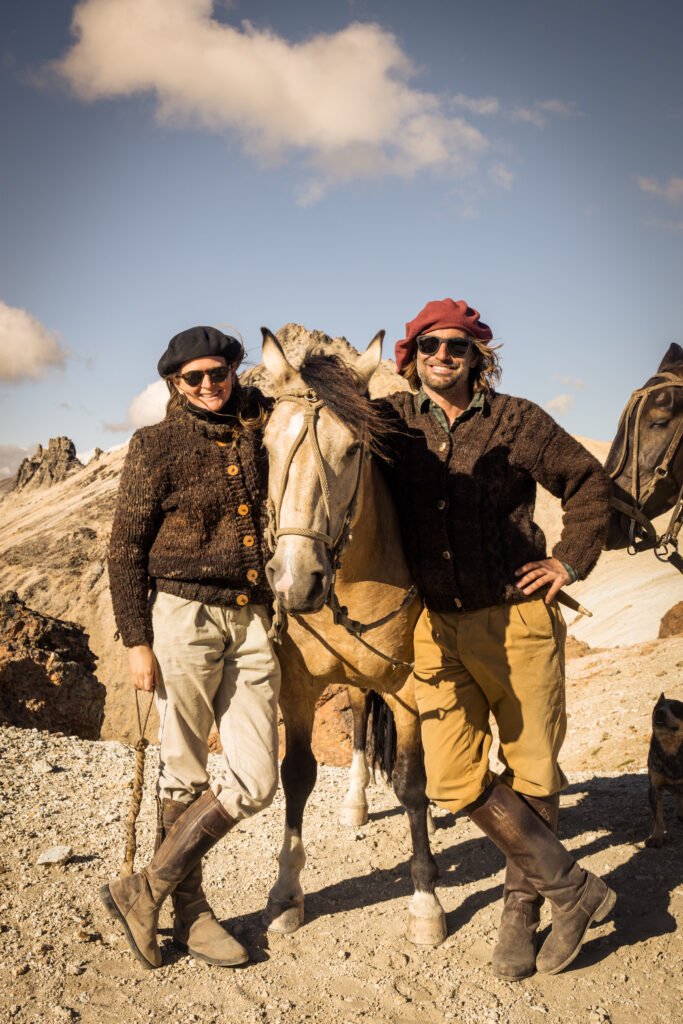
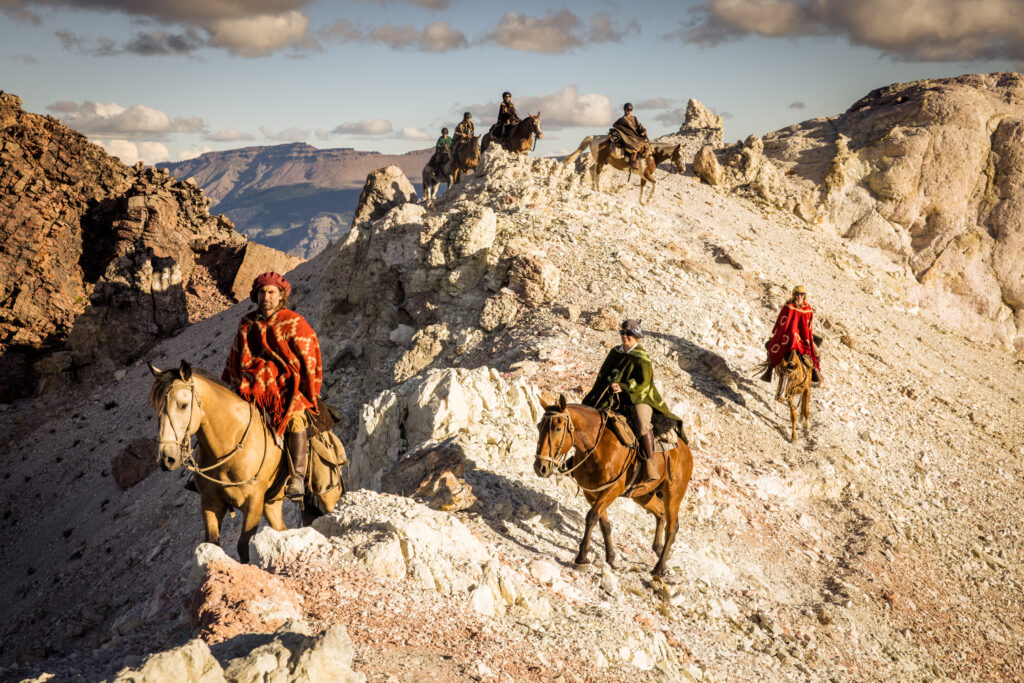
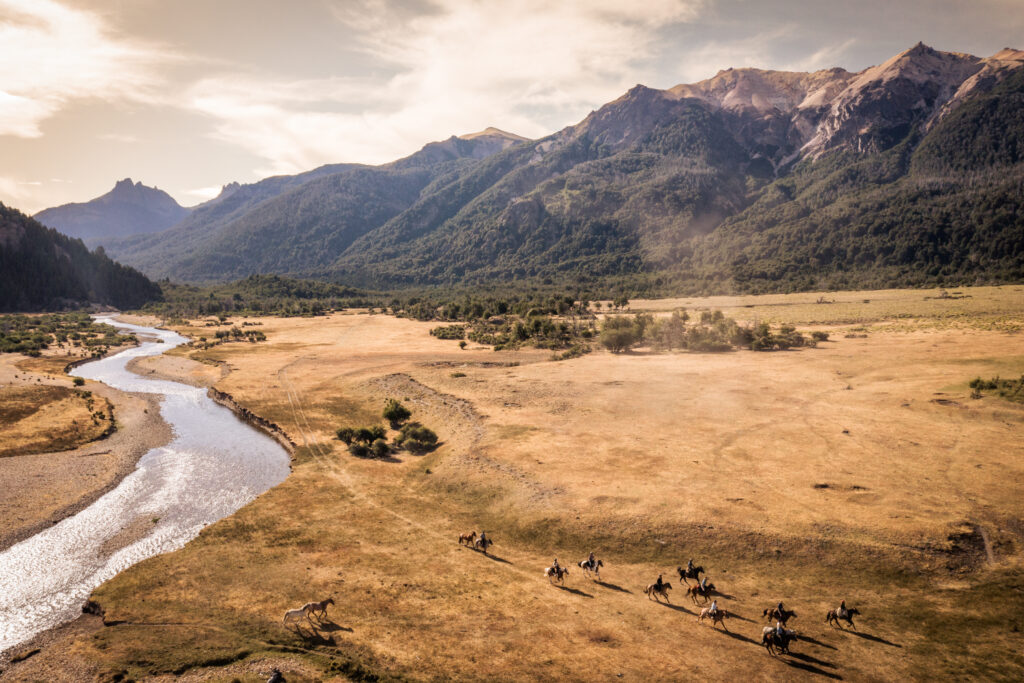
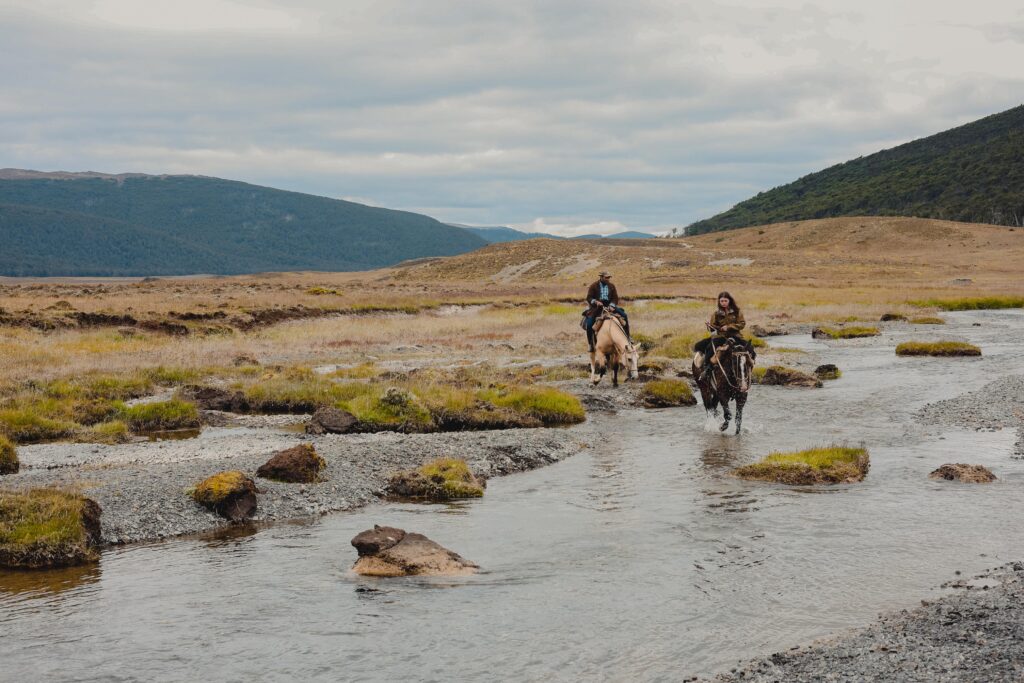
Northern Patagonia unfolds in a scale that is hard to describe and impossible to forget: two million acres of Andean wilderness, turquoise rivers, and open grassland, roughly a thousand kilometres south of Buenos Aires. Jakotango takes small groups of experienced riders deep into this country on sure-footed Criollo horses, following trails that are, in many stretches, accessible no other way. The eight-day Patagonia Trail crosses the Nahuel Huapi and Lanín National Parks, summits the formidable Pass of Tears, and moves between a comfortable base camp, remote mountain fly camps, and a working gaucho homestead.
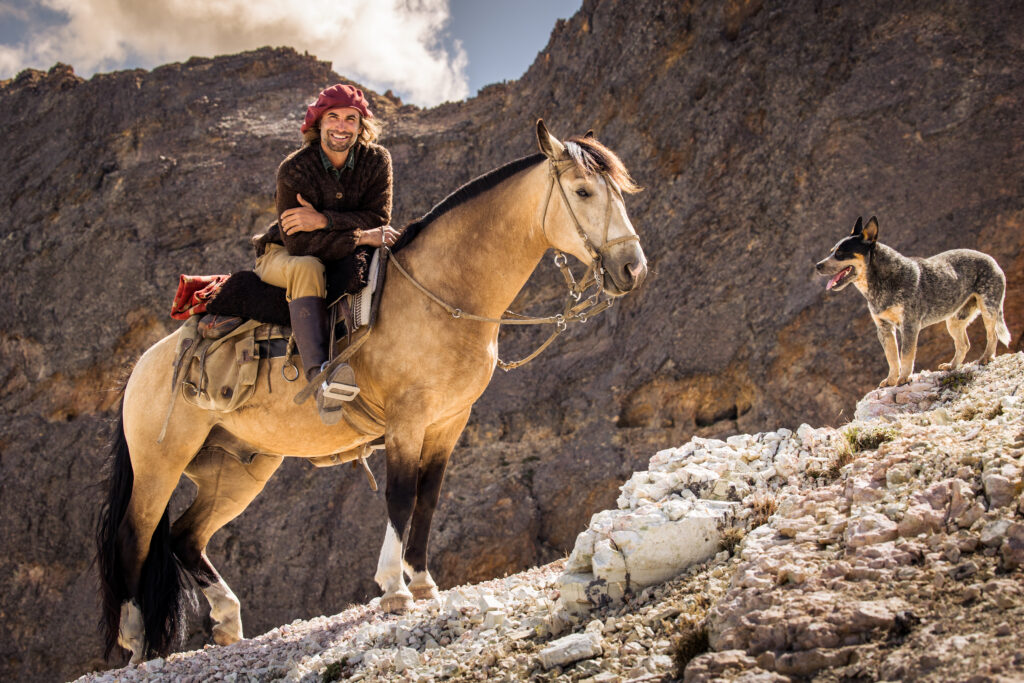
The ride is led by Jakob von Plessen - known simply as Jakotango - a Patagonian-born horseman who grew up among gauchos before spending years guiding safaris in Africa, and who returned home in 2015 to build one of the most respected riding operations in South America. Groups are capped at ten riders, weeks are often booked a year in advance, and the balance struck between genuine wilderness and real comfort is the whole point.
The Experience
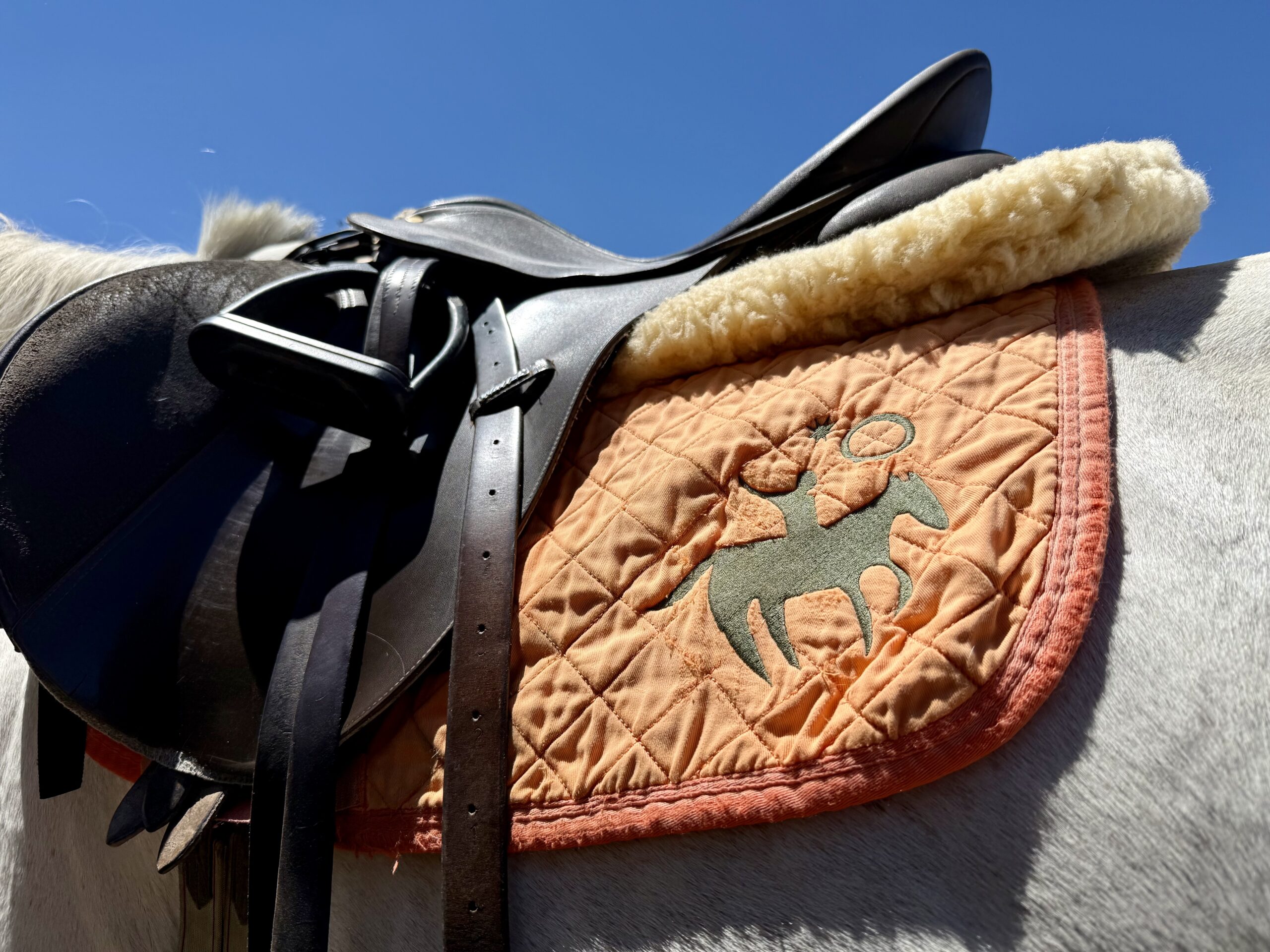
The journey begins with a flight south to Bariloche, then a road transfer to the shores of Lake Falkner, where a small motorboat carries you across the water to meet your horse and your gaucho guides for the first time. The ride into camp is short - just over an hour - but long enough to settle into the saddle and the particular rhythm of an Argentine recado, a traditional sheepskin-lined saddle built for long days.
Base Camp sits on the banks of the Río Filo Hua Hum, within private land bordering the national parks: four safari-style tents with en-suite bathrooms and wood-burning stoves, and a log-built quincho that serves as dining room and gathering place. Days here divide into a morning and an evening ride, broken by a long lunch and the Patagonian tradition of an afternoon siesta.
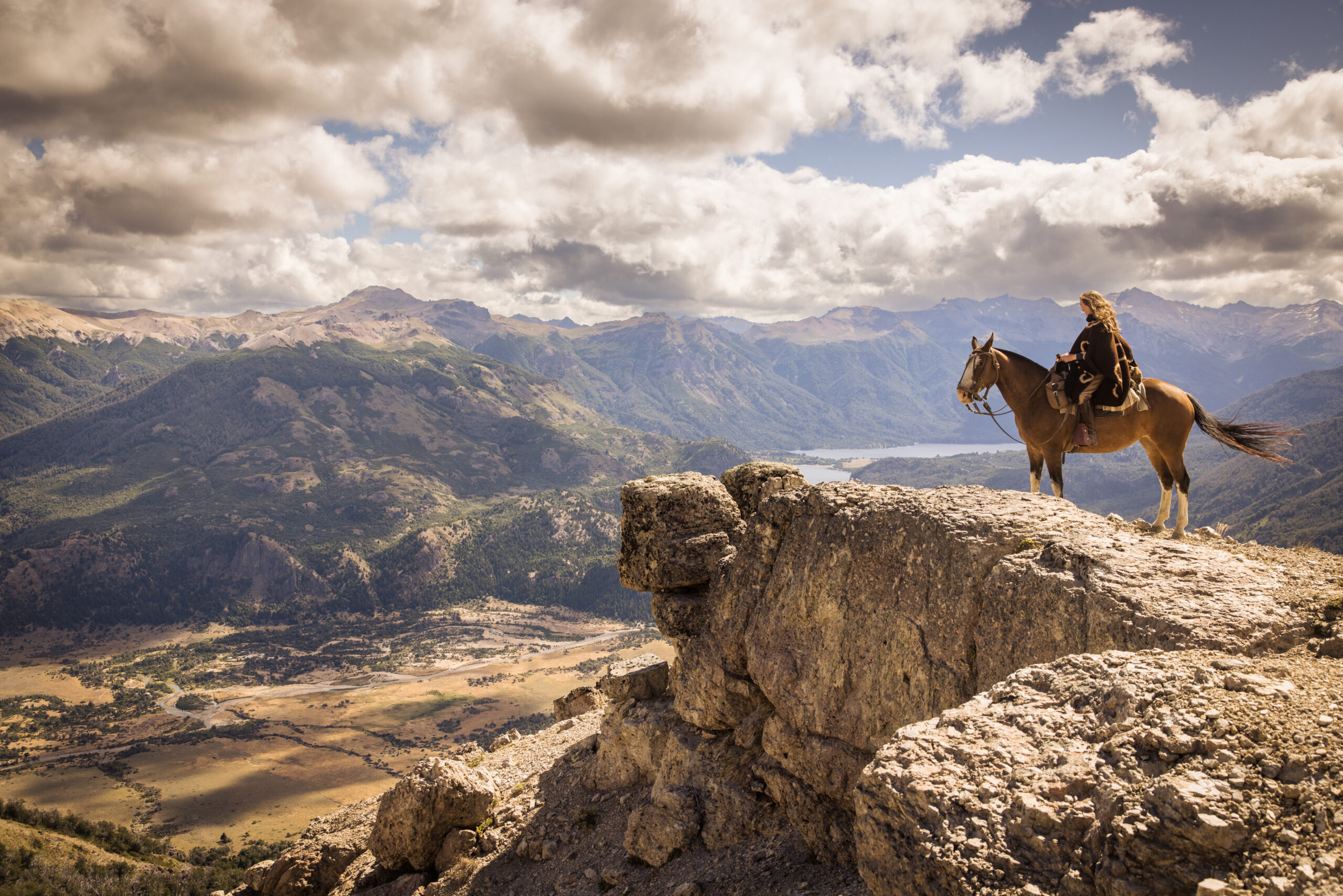
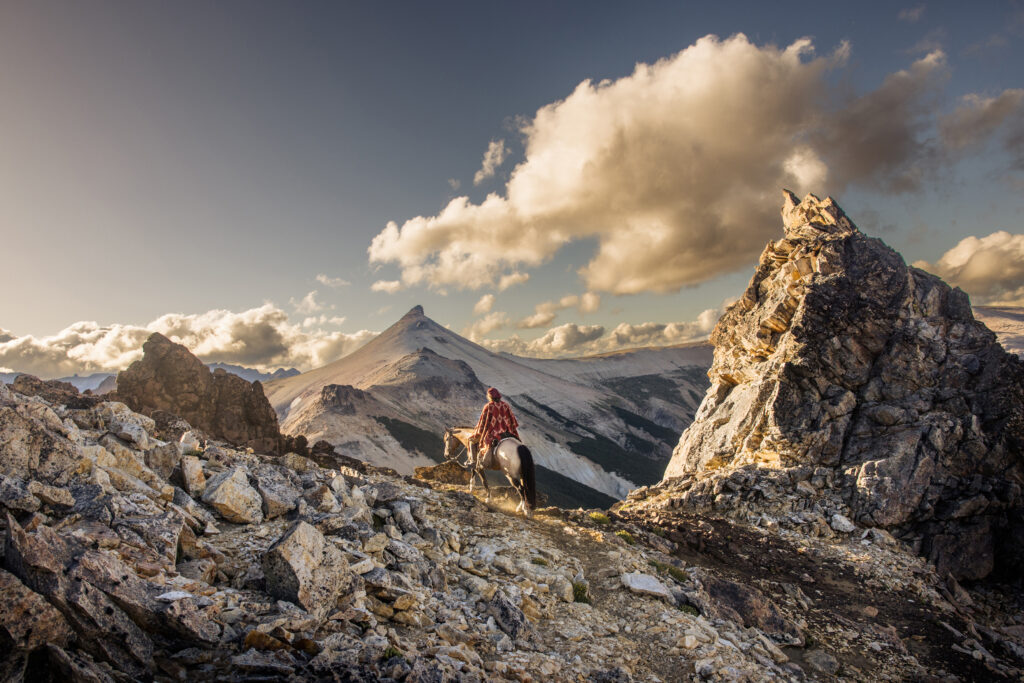
The heart of the trip is the crossing of the Pass of Tears - a dramatic, high-altitude route above the tree line with sheer drops to the valley floor, not for the faint-hearted, and among the most memorable riding most guests will ever do. The reward on the far side is a fly camp overlooking the Buque mountain, a campfire, a gaucho-prepared stew, and a sky entirely free of light pollution. The final days bring you down through river valleys to Felipe’s homestead - reachable only by boat or on horseback - for a lamb asado roasted over an open fire, before the return journey to Bariloche.
About Jakotango
Jakotango is the work of Jakob von Plessen, born and raised in the Argentine Pampas and shaped, as a boy, by the gauchos who first put him on a horse. He spent fifteen years building and guiding riding safaris in Africa before Patagonia called him home in 2015, and he has spent the years since building an operation defined by exceptional horses, serious guiding, and a genuine feel for hospitality in wild places.
The horses are predominantly Criollo - Patagonia’s native breed, crossed with Quarter Horse, Thoroughbred and Percheron bloodlines through Jakotango’s own breeding programme, which has also introduced Noriker stallions from Austria to produce horses built specifically for mountain safari work. All are trained to neck-rein and are ridden in traditional Argentine recado saddles.
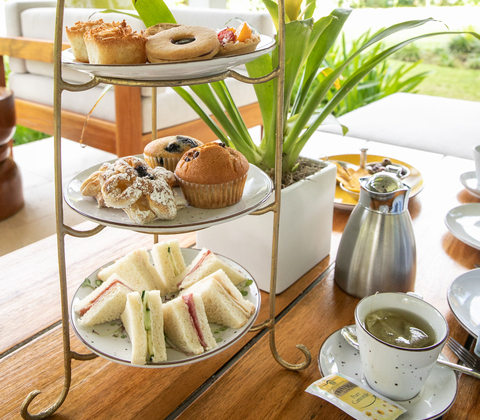
The accommodation across a week’s ride moves through three distinct settings: the comfort of Base Camp, the intentional simplicity of the mountain fly camps, and the historic character of a working gaucho farmstead. Meals are taken seriously throughout - long, leisurely affairs built around asado, Argentine barbecue, cooked over an open fire, paired with Malbec and finished with proper desserts, even three days from the nearest road. The result is an experience built for confident, fit riders who want the genuine article: real gauchos, real distances, and country that very few travellers ever see.
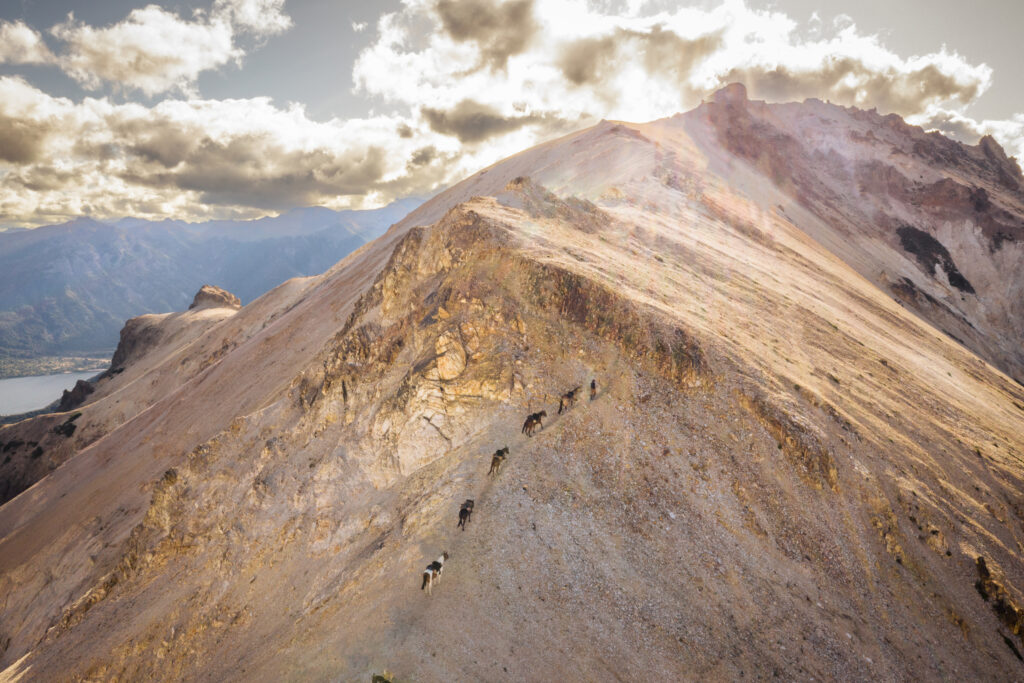
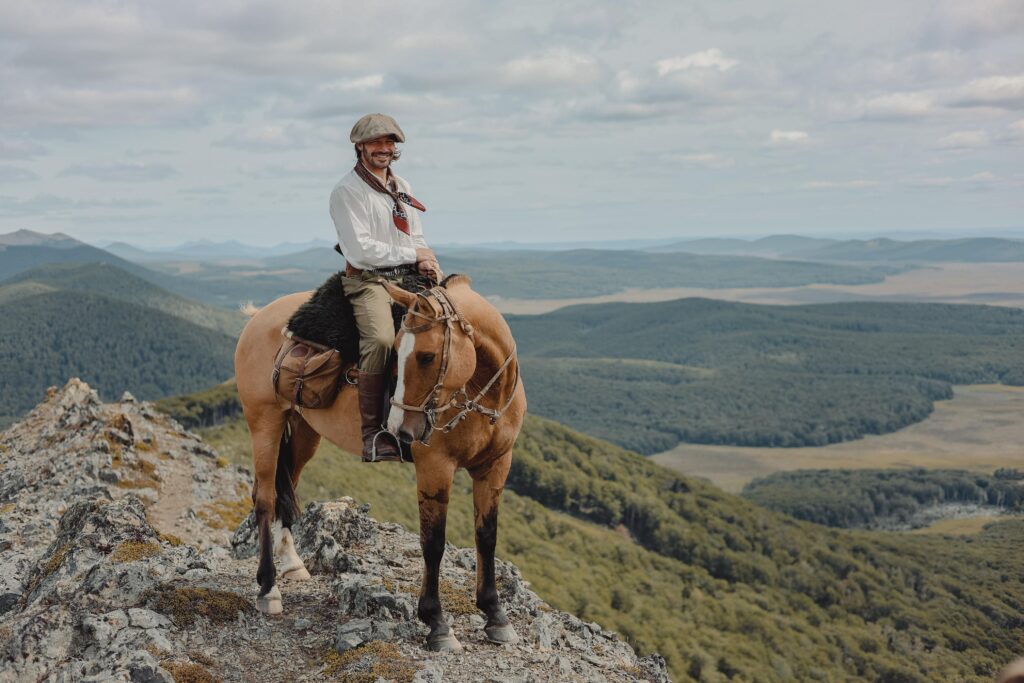
Photo Credits: Anya Campbell, Georgina Preston
Two Different Rides
While both journeys are centred around exceptional horseback riding, they also offer a deeper connection to Patagonia’s landscapes, wildlife, and traditions. Guests enjoy long lunches in the open air, evenings around the fire, and the rare privilege of exploring remote regions that are inaccessible by road.
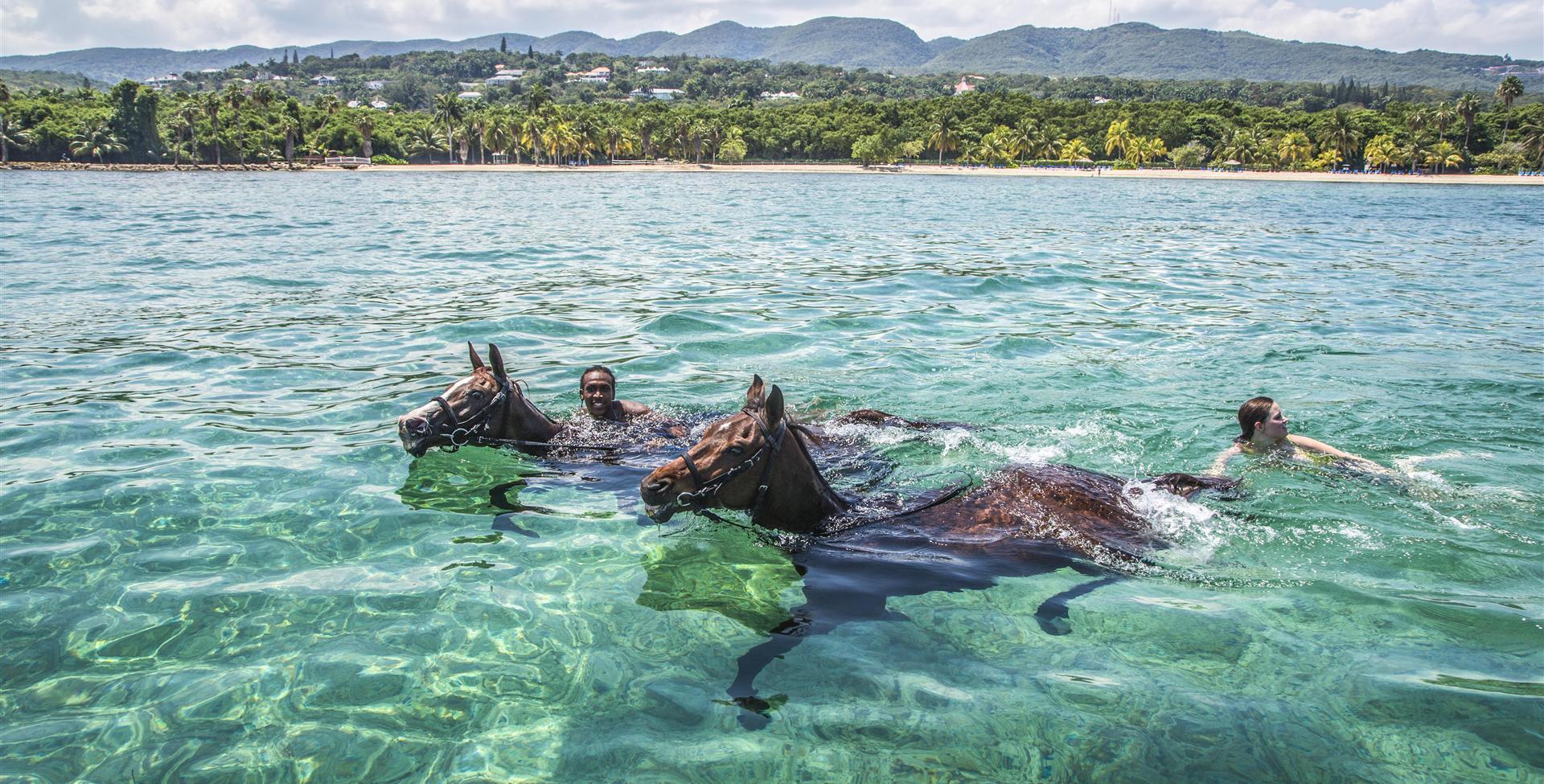
The Patagonia Trail combines dramatic mountain riding with moments of rest and discovery. Guests may swim in crystal-clear lakes, walk through the valley, relax back at camp, or arrange optional fly fishing. The experience is strongly shaped by traditional gaucho hospitality, from campfire suppers in the mountains to an authentic Argentine asado at Felipe’s farmstead. On The Patagonia Trail, accommodations includes Jakotango’s Base Camp, mountain fly camps, and Felipe’s House. Base Camp offers luxury safari tents with en-suite bathrooms and a welcoming quincho for dining and relaxing, while the fly camps provide a more rustic mountain experience with dome tents, campfires, and spring water. The journey ends with a memorable stay at Felipe’s traditional gaucho homestead, accessible only by horse or boat.
End of the World is a more expedition-style adventure through the wild terrain of Tierra del Fuego. Along the way, riders encounter vast steppe, rivers, mountain peaks, and remarkable wildlife including guanacos, condors, wild horses, foxes, and beavers. Optional fly fishing can also be arranged, while each day offers a strong sense of remoteness, freedom, and exploration at the southern edge of Patagonia. On End of the World, guests stay at a combination of estancias, gaucho caravans, and a remote fly camp. San José Lodge offers comfortable ensuite rooms in a beautifully restored estancia, while Estancia Río Apen and Estancia El Boquerón provide warm and authentic accommodation in the heart of Tierra del Fuego. One night is spent at Puesto República, a true wilderness camp accessible only on horseback, where guests sleep under the stars surrounded by complete remoteness.
Our Stewardship
Jakotango’s Base Camp and riding routes sit on private land bordering both Nahuel Huapi and Lanín National Parks in Argentine Patagonia, with several days of the standard itinerary crossing directly into these protected areas - putting the ride at the edge of, and often inside, some of Patagonia’s most carefully guarded wilderness. Riding across that boundary isn’t incidental; it places the programme’s conservation footing on the same terms as the parks themselves, where access is a privilege tied to the land’s protected status rather than a given. For you in the saddle, it means days spent moving through landscape shaped by national park management rather than private development - a rarer and more consequential kind of access than a scenic backdrop alone would suggest.
- Featured: Equestrian Destinations in Where the Trail Meets the Tide (SEVENSEAS Media)