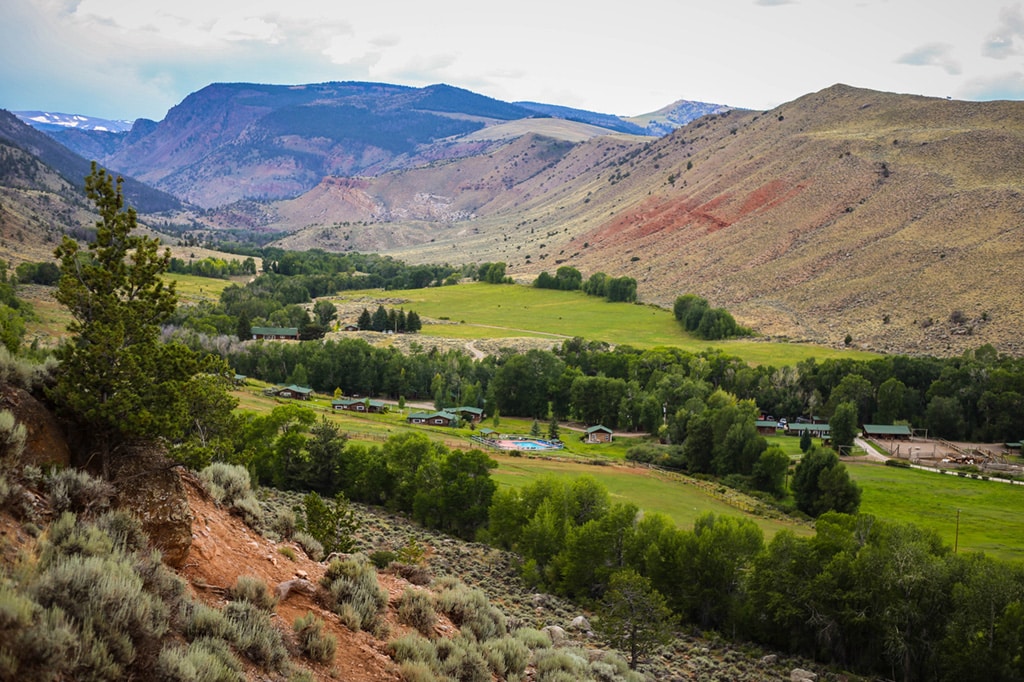
CM Ranch sits in a secluded valley at the mouth of Jakey’s Fork Canyon, in the Wind River Mountains near Dubois, Wyoming — one of the oldest guest ranches in the country, operating continuously (with a brief wartime pause) since 1920. The ranch’s buildings tell their own story: logs cut in the upper canyon in the 1920s and hauled down by teams of horses and wagons, several of which still sit on the property today, weathered relics of a construction process that predates almost every other structure for miles.
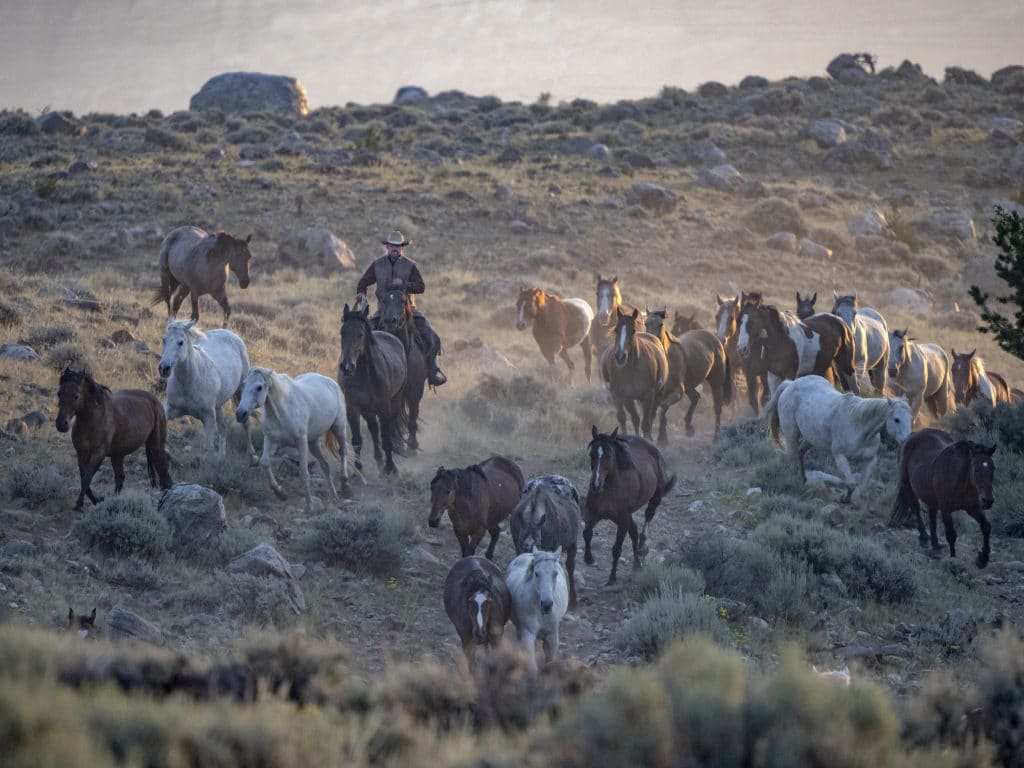
Located just seventy-five miles from Jackson Hole and under a hundred from Yellowstone, CM offers riding through genuinely varied terrain — high desert badlands on one side of town, mountain highlands on the other — alongside fly fishing on the famous Wind River, Native American petroglyphs, and a family-friendly programme that has kept guests returning across generations since Charles Cornell Moore first opened the ranch’s doors.
The Experience
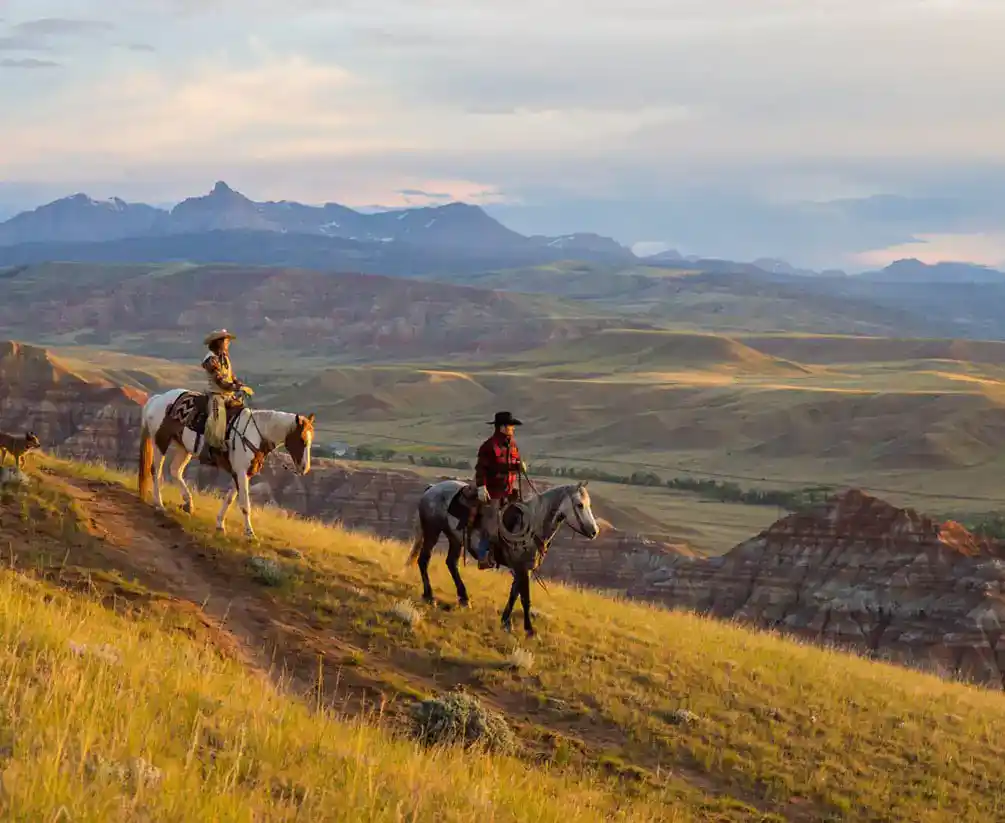
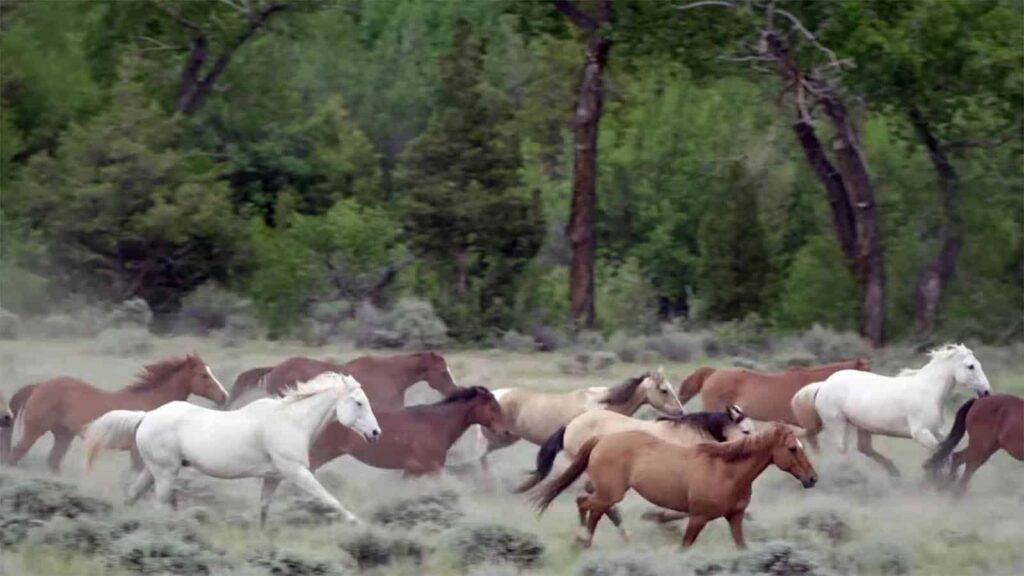
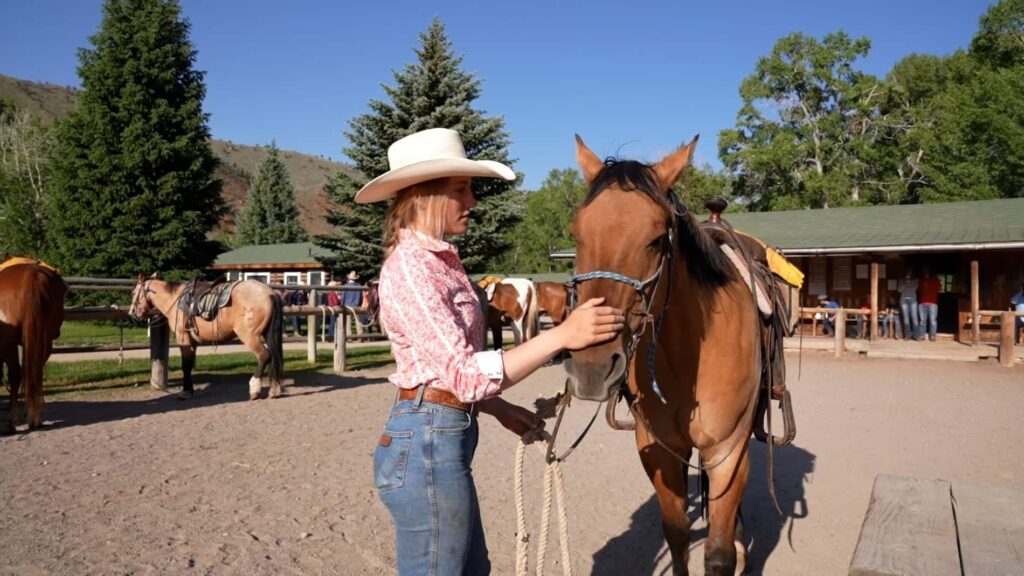
One day you’re riding through red-tinged high desert badlands outside Dubois; the next, you’re climbing into forested mountain highlands toward the Wind River Range — CM sits at the hinge between the two, and a week here means genuinely different country every time you saddle up. If you’ve brought children, a dedicated kiddy wrangler has them riding daily, building real skill rather than simply being led on a rope, and the ranch’s breakfast rides bring the whole family into the saddle together for what usually turns out to be the week’s best photograph.
Beyond the trail, you can cast for wild brown, rainbow, and brook trout in backcountry water that sees almost no other pressure or hike out to petroglyphs left by people who called this valley home long before Dubois existed. Wednesday brings live music on the deck and an astronomy lesson under some of the darkest skies in Wyoming; Friday, dinner comes early so you can make it into town for the family rodeo.
Saturday is the week’s crescendo: a team penning challenge that tests everything you’ve picked up since Sunday, followed by one more ride or hike, and a final steak cookout that never quite feels long enough. You’ll leave with the particular, slightly bittersweet friendships a week like this tends to produce — and, if CM’s regulars are anything to go by, a strong urge to book the same week again next summer.
About CM Ranch
CM Ranch was founded by Charles Cornell Moore, son of a trader who grew up on the Wind River Indian Reservation before heading east for law school in Michigan and even a stint in Buffalo Bill’s Wild West Show. Moore began by leading pack trips into Yellowstone for wealthy East Coast teenagers starting around 1906; when their families wanted to join them, he built the CM in 1920 specifically to accommodate parents and relatives, and by 1927 had established the ranch that continues to operate today. He went on to become president of the national Dude Ranchers’ Association before selling the ranch to Les and Alice Shoemaker in 1952.
The ranch’s National Register of Historic Places listing, granted in 1992, recognises both the CM Ranch buildings and the associated Simpson Lake Cabins as a single historic district tied to Moore’s pioneering role in Wyoming dude ranching. Today’s owners, the Kemmerer family — who also own Jackson Hole Mountain Resort — purchased the ranch in 1997 and have kept its original character carefully intact: nearly 13,000 acres across deeded and leased land, log cabins and larger houses built from timber harvested on the property a century ago, and a genuinely welcoming, unhurried atmosphere that has changed remarkably little since Moore’s day.
What distinguishes CM within Wyoming’s crowded dude ranch scene is this sheer depth of continuous history — over a century of welcoming families to the same secluded valley — combined with a genuinely diverse landscape that lets guests ride high desert badlands and alpine mountain country within the same short stay.
Our Stewardship
CM Ranch’s holdings are contiguous with the Shoshone National Forest and the Fitzpatrick Wilderness, both federally protected land. The ranch and its Simpson Lake Cabins also hold National Register of Historic Places status, reflecting a long-standing relationship with preserving both the natural and historic character of the Wind River Valley.